Cinnamon · Portugal
Made to Matter
From the weight of cast metal
to the weight of a piano note,
Cinnamon approaches audio
as something deeply physical.
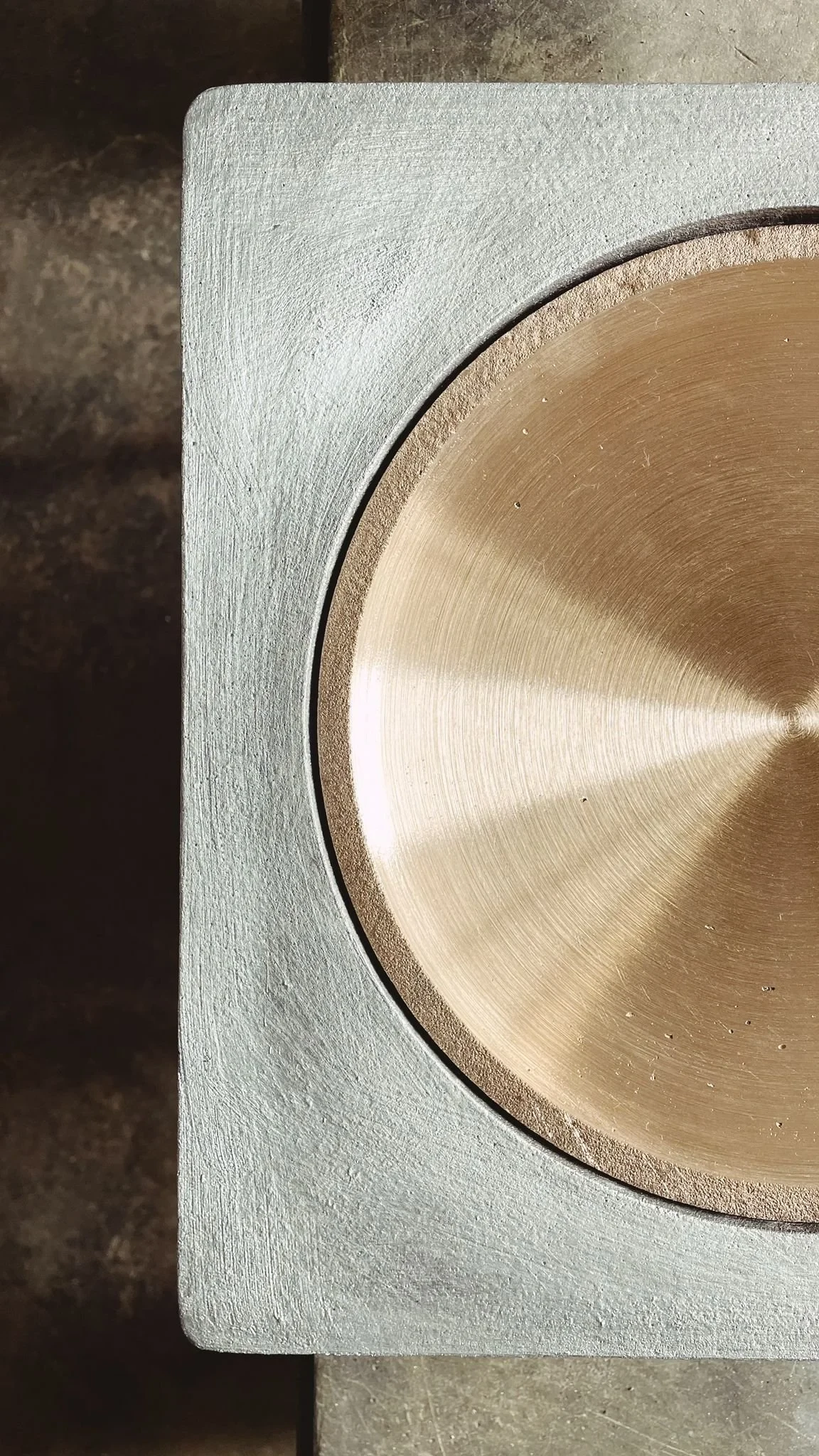
Founded by brothers Ricardo and Diogo Canelas, the Portuguese company brings together science, craftsmanship and musical instinct in an unusually personal approach to high-end audio. Their products are not simply designed and manufactured. They take shape through a process of collaboration, experimentation and discovery, emerging as individual objects made to be enjoyed, cherished and kept.
A different way into audio
Ricardo and Diogo Canelas grew up surrounded by symphonic music and progressive rock. When they founded Cinnamon in 2021, they brought that shared passion together with backgrounds in fluid dynamics, soil mechanics and scientific research.
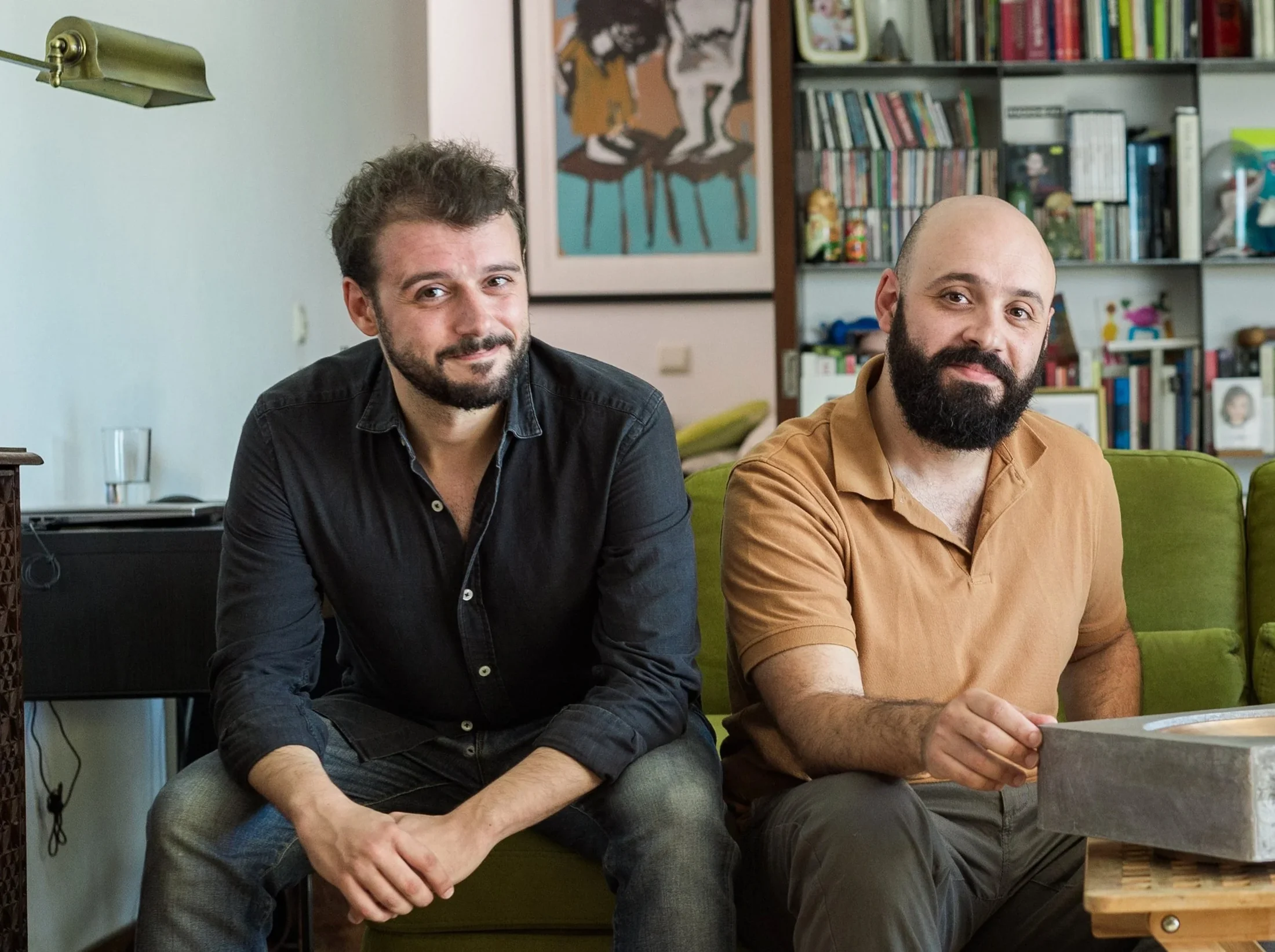


It is an unusual starting point for an audio company. Both disciplines are concerned with how things move, how materials behave and how forces interact. That understanding of the physical world runs through Cinnamon, from the construction of its components to the way they reproduce sound.
Even the name has an earthy quality. A playful reference to the Canelas family name — canela being Portuguese for cinnamon — it feels fitting for a company so closely connected to natural materials, traditional processes and the character of things made by hand.
Good ideas need good company
Cinnamon is built on the belief that the best ideas rarely emerge from a single mind.
The brothers approach product development as a team sport, bringing together specialists in electronics, software, industrial design and traditional craftsmanship. Musicians, too, play an important role in shaping the finished result.
Rather than beginning with a rigid idea of what a product must become, Cinnamon allows the design to evolve. Different disciplines challenge one another. Ideas are tested, reconsidered and refined. Unexpected discoveries can change the direction of the work.
There is a humility to this approach: an understanding that expertise comes in many forms, and that the right answer is not always the most obvious one.
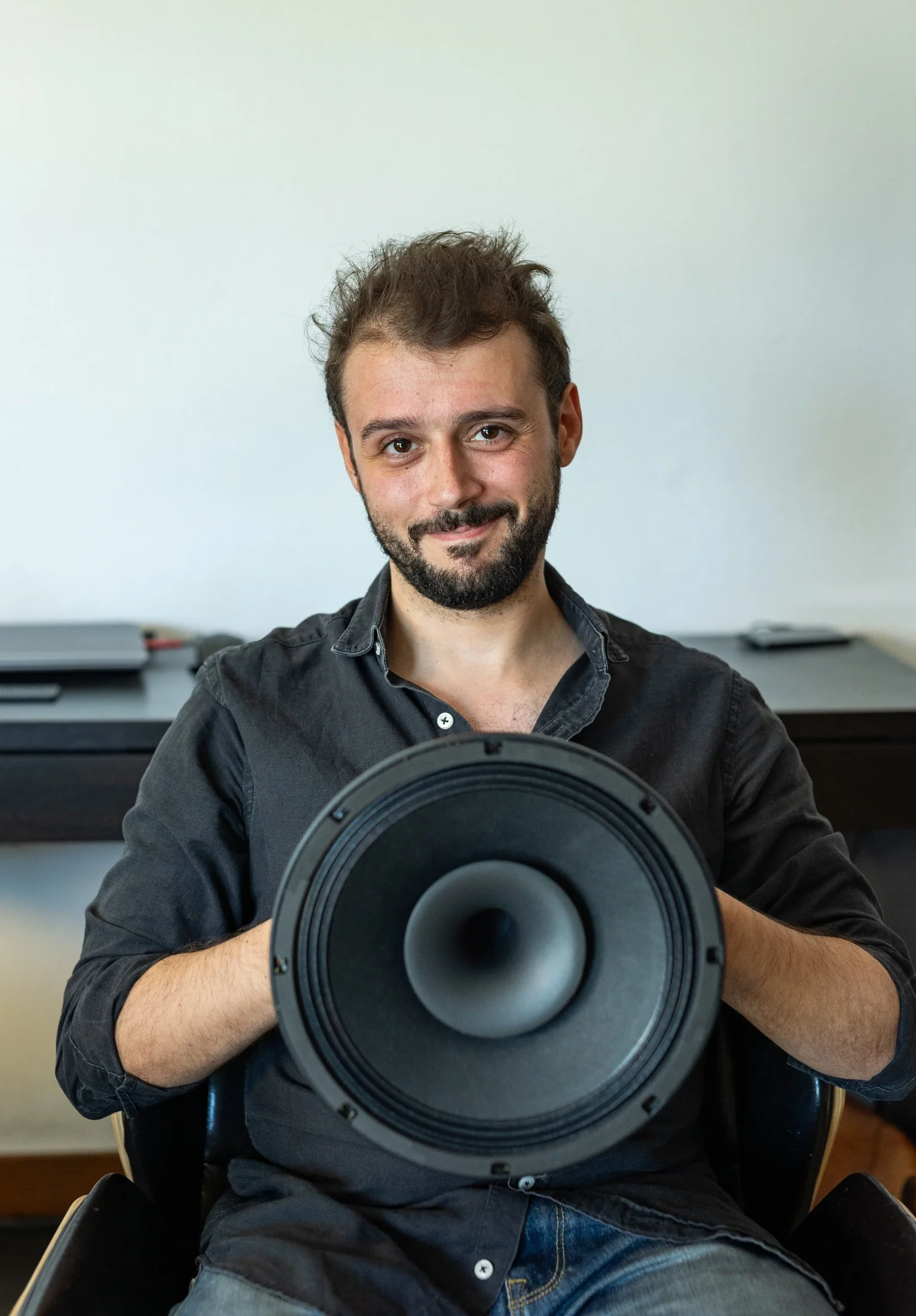
The best ideas are often the ones you didn’t see coming
Diogo Canelas · Co-founder, Cinnamon
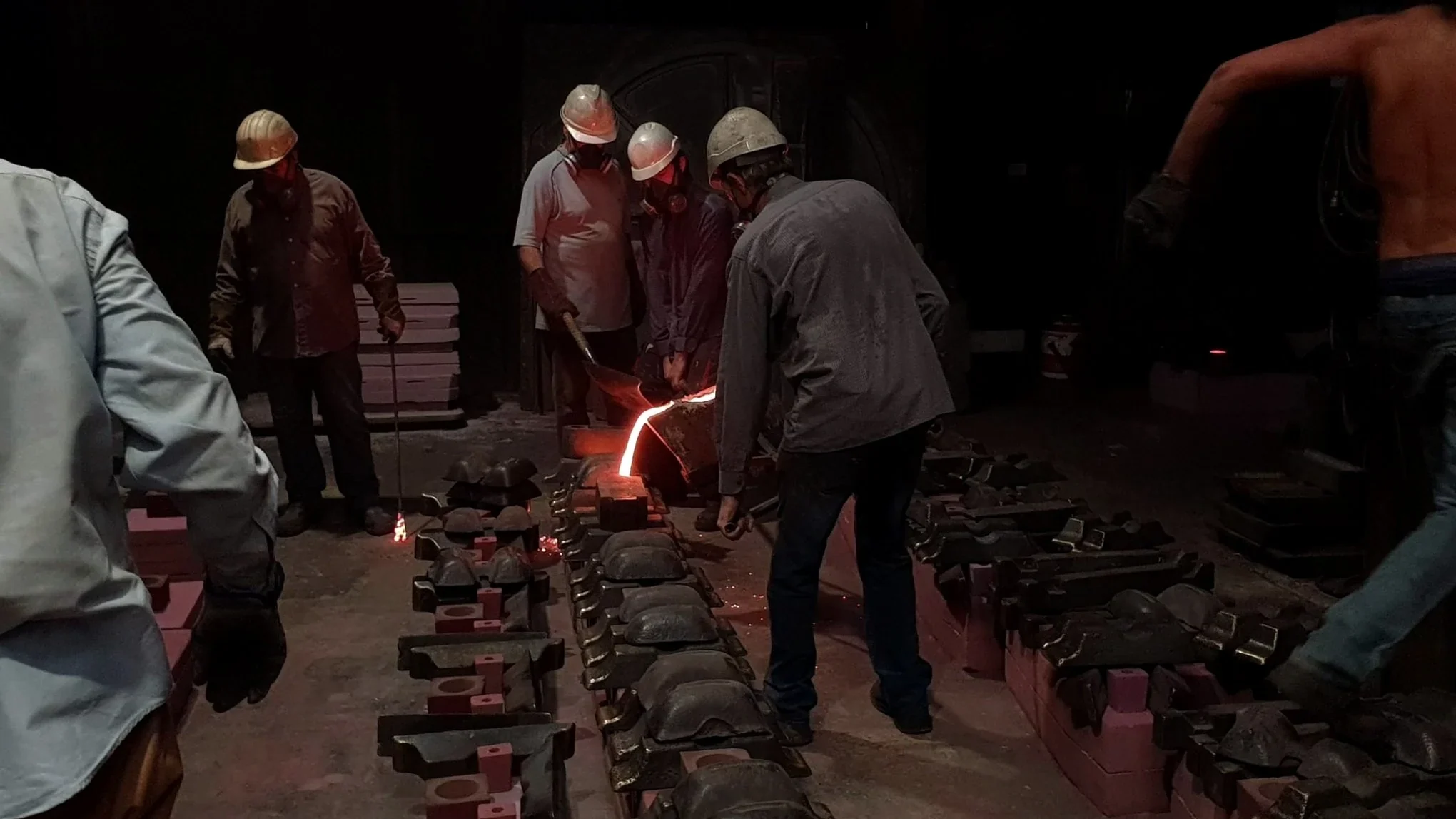
You can feel how it was made
There is nothing anonymous about the making of a Cinnamon component.
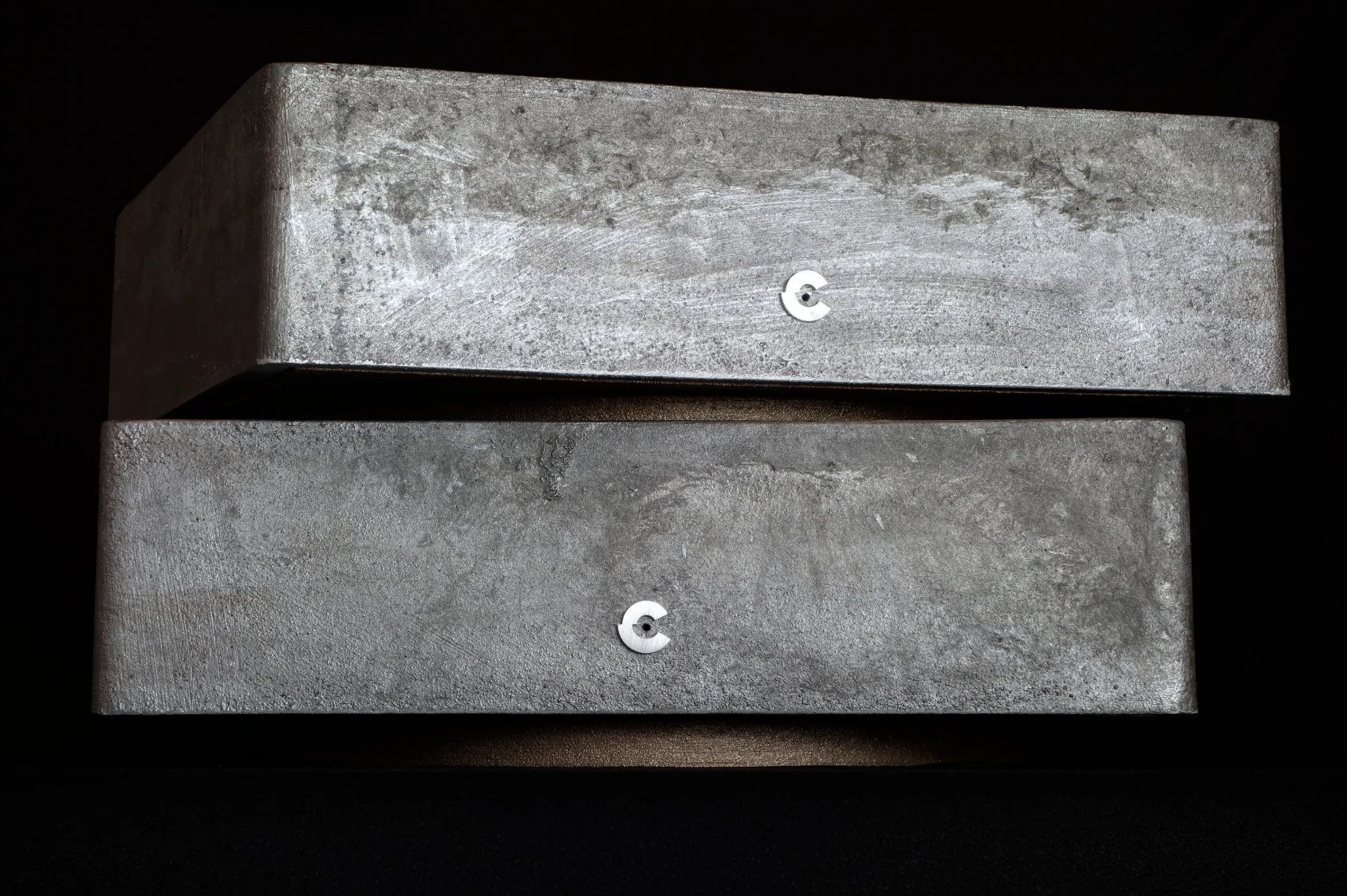
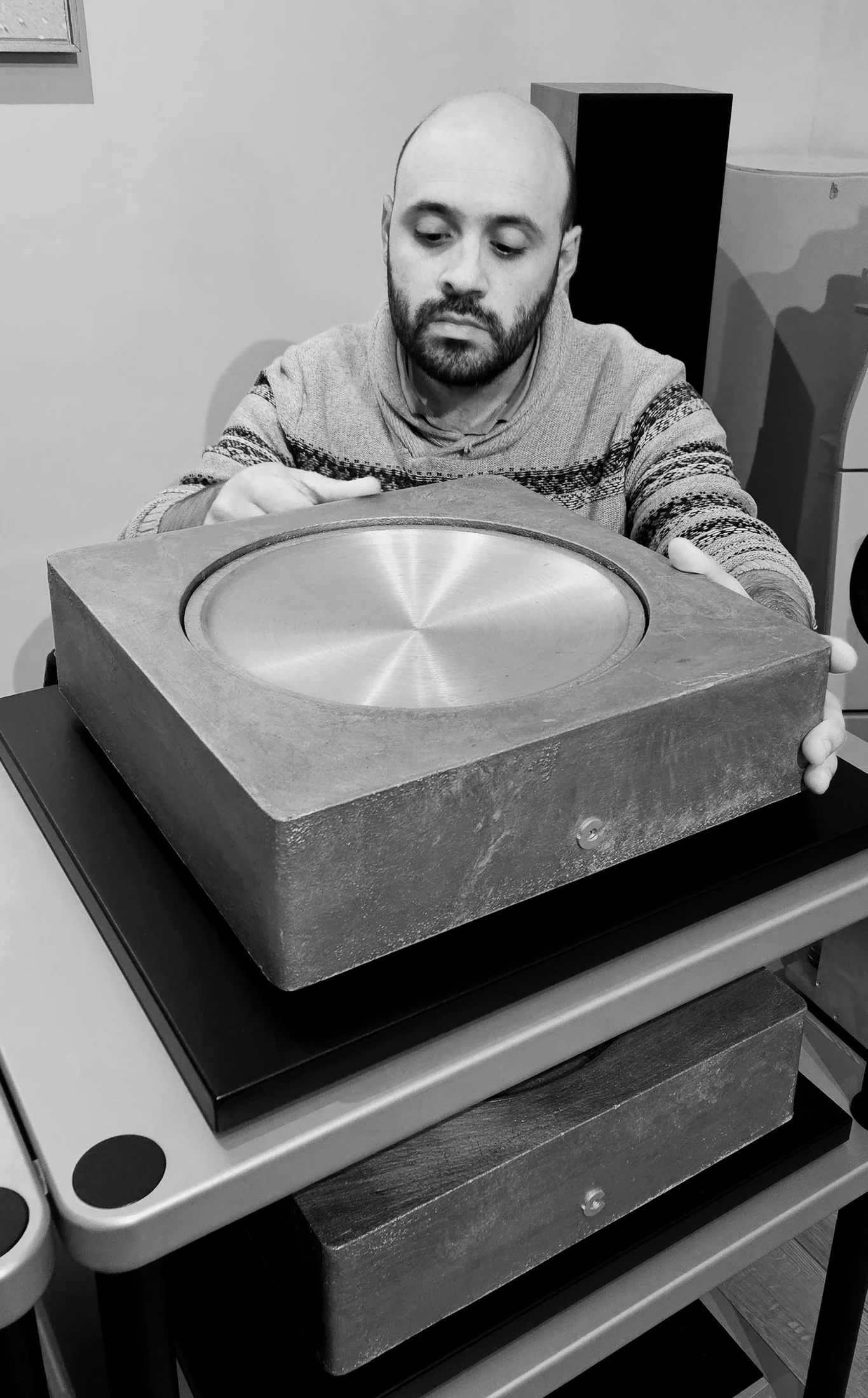
In Portuguese foundries, molten aluminium and bronze are poured into moulds by hand. The resulting castings are substantial, tactile and naturally individual, carrying subtle traces of the processes that formed them.
Wood veneers, natural oils and beeswax add warmth and texture. Cinnamon works closely with specialist suppliers and craftspeople across Portugal and neighbouring European countries, favouring material knowledge and hands-on expertise over the uniformity of mass production.

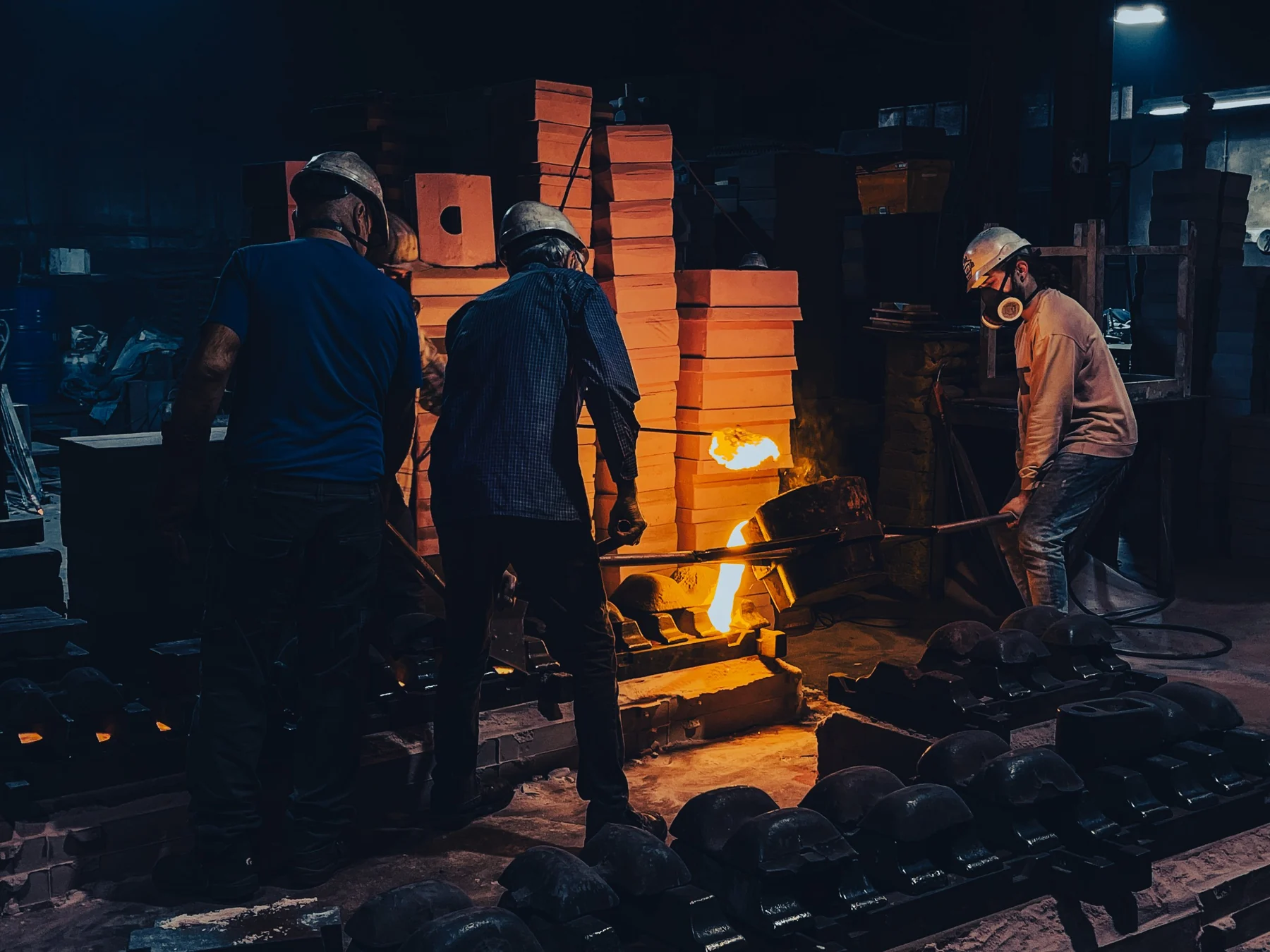
These choices are not purely aesthetic. The mass, rigidity and construction of the casework play an important role in controlling unwanted resonance and vibration.
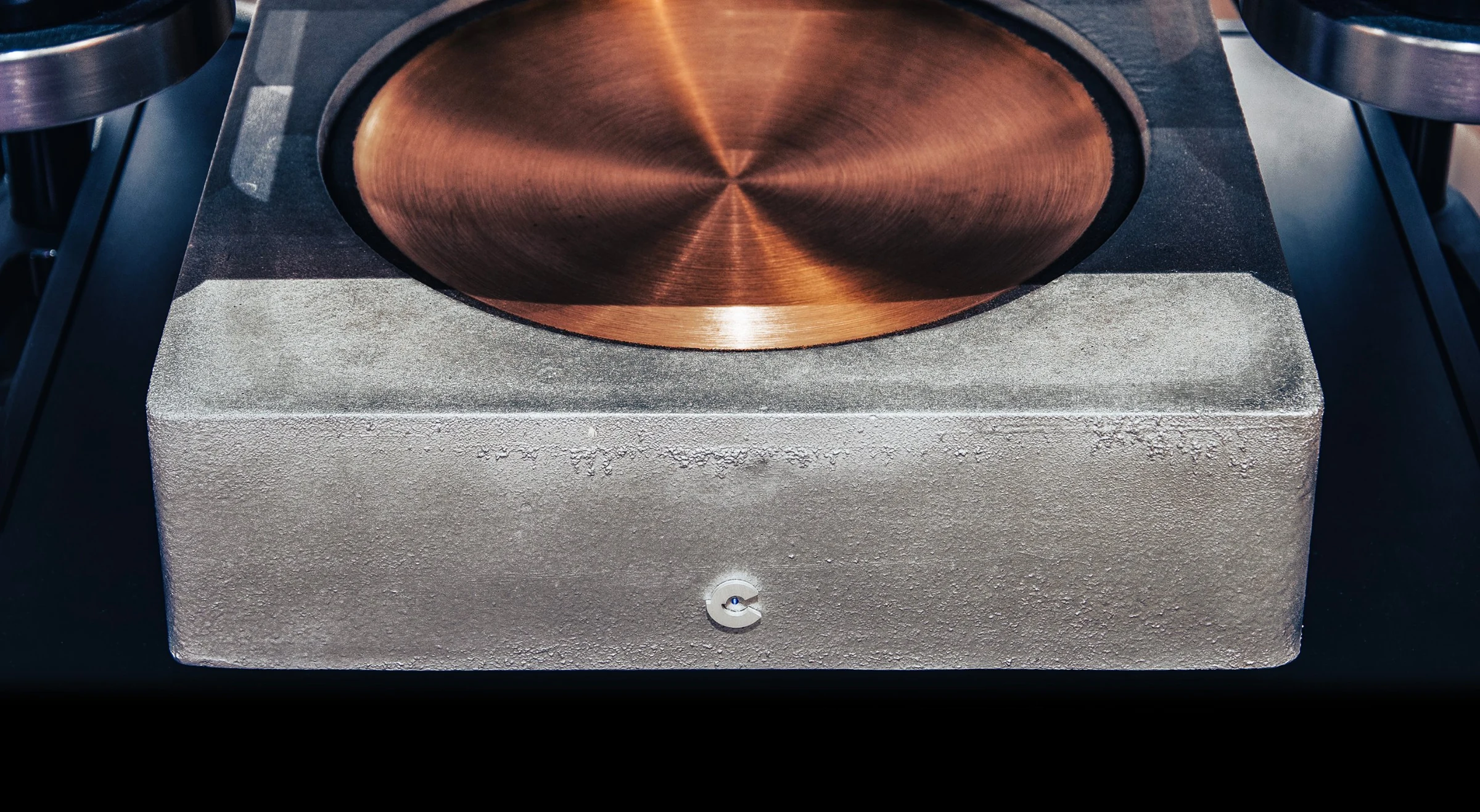
Take the Galle DAC, weighing an extraordinary 22 kilograms. Its substantial bronze top functions as a damped inverted pendulum — a suspended mass designed to absorb and dissipate unwanted mechanical energy. The principle recalls the vibration-control strategies used in skyscrapers to counter movement, applied here on an entirely different scale. The bronze element rests on a specially selected viscoelastic material, helping to isolate the sensitive electronics from vibration.
Yet there is something more to the process than its technical purpose. Each object carries the evidence of its making. The materials have their own character, and the human hand remains present in the finished piece.
Unconventional, for a reason
Cinnamon is not afraid of taking an unconventional route when the result justifies it. And beneath those remarkable cast-metal surfaces, the engineering is every bit as ambitious.
The Galle DAC Model II is a particularly striking example. Its power supply occupies an entirely separate chassis, with three custom transformers feeding three independent power channels. Together, these employ almost 2,000 farads of filtering capacitance — over 200,000 times the values ordinarily used at these voltages.
It is an almost absurd amount of engineering for a piece of audio equipment. But the thinking is straightforward: to create an enormous reservoir of clean, stable power, shielding the delicate process of music reproduction from unwanted electrical interference.
The conversion circuitry is no less considered. A 27-bit differential resistor ladder employs more than 430 precision resistors, while an unconventional architecture eliminates the need for a traditional analogue output stage, keeping the signal path remarkably short.
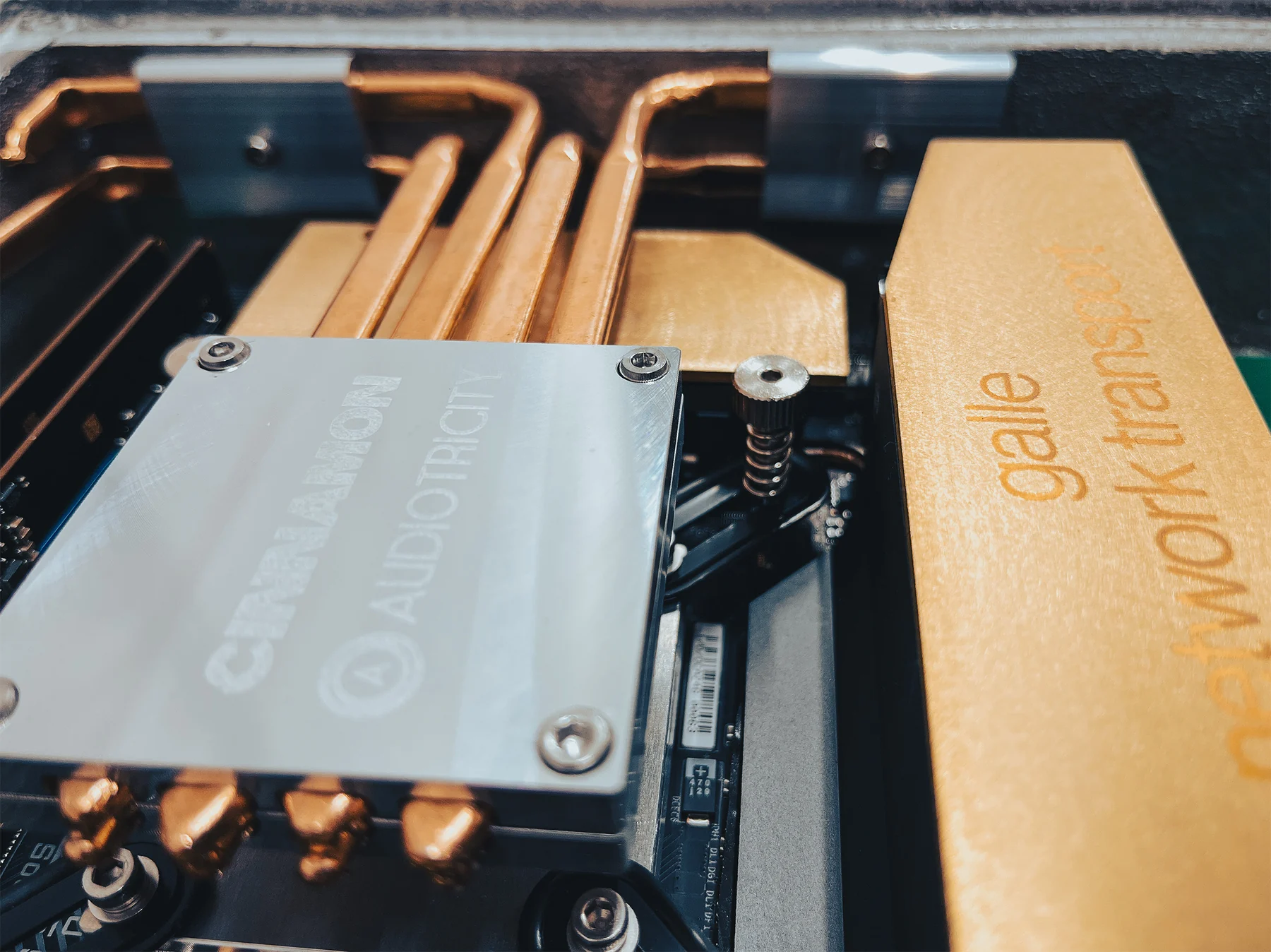
The Galle Network Transport follows a similar philosophy. Its custom operating system minimises unnecessary processing activity, while copper heat pipes carry warmth away from the processor through a passive cooling system. Power, processing, software and mechanical construction are each given the same meticulous attention.

The material is part of the engineering
Diogo Canelas · Co-founder, Cinnamon
It is a level of engineering that feels almost excessive, but Cinnamon does not pursue complexity for its own sake. Some of its decisions might appear unreasonable on paper, yet each has emerged from experimentation, listening and a willingness to explore beyond convention.
The ultimate measure is not whether a solution looks impressive in a technical diagram, but whether it helps the music feel more convincing.
Bring in the musicians
Measurements can tell an engineer a great deal about what a component is doing. But they cannot, on their own, describe the full experience of listening to music.
This is why Cinnamon involves professional musicians in the development process, drawing on the experience of people who know what instruments feel and sound like from the performer’s side.
A pianist understands the weight and resonance of a piano in a way that goes beyond frequency response. A singer understands the physical presence and expression of a human voice.
Their contribution is not simply to approve a finished product. Their observations help shape its development, guiding changes and sometimes leading the engineers towards solutions they might never otherwise have considered.
It is a process in which the desired sound is discovered as much as designed. Cinnamon calls this its pleasure meter: a willingness to trust the musical experience, even when it challenges conventional engineering assumptions.

The performance is the reference
Ricardo Canelas · Co-founder, Cinnamon
Music with a physical presence
The weight of a piano note. The texture of a double bass. The breath behind a voice, or the natural decay of an instrument in a room.
These are the qualities Cinnamon seeks to preserve.
The ambition is not to make music sound artificially impressive, but to reproduce its physical and emotional character with as little interference as possible.
Detail should emerge naturally, without becoming analytical. Bass should have shape, substance and texture, not simply force. The smallest changes in timing and expression should remain part of a coherent musical whole.
The result is a sound that feels present, unforced and deeply involving. One that encourages you to listen beyond the equipment, and connect with the performance itself.

A history of its own
A musical performance belongs to a particular moment. It is shaped by the people involved, the place, the circumstances, and countless small decisions that can never be repeated in precisely the same way.
Recording allows us to return to that moment, preserving something that would otherwise exist only in memory.
There is a parallel in the way Cinnamon thinks about the objects it creates.
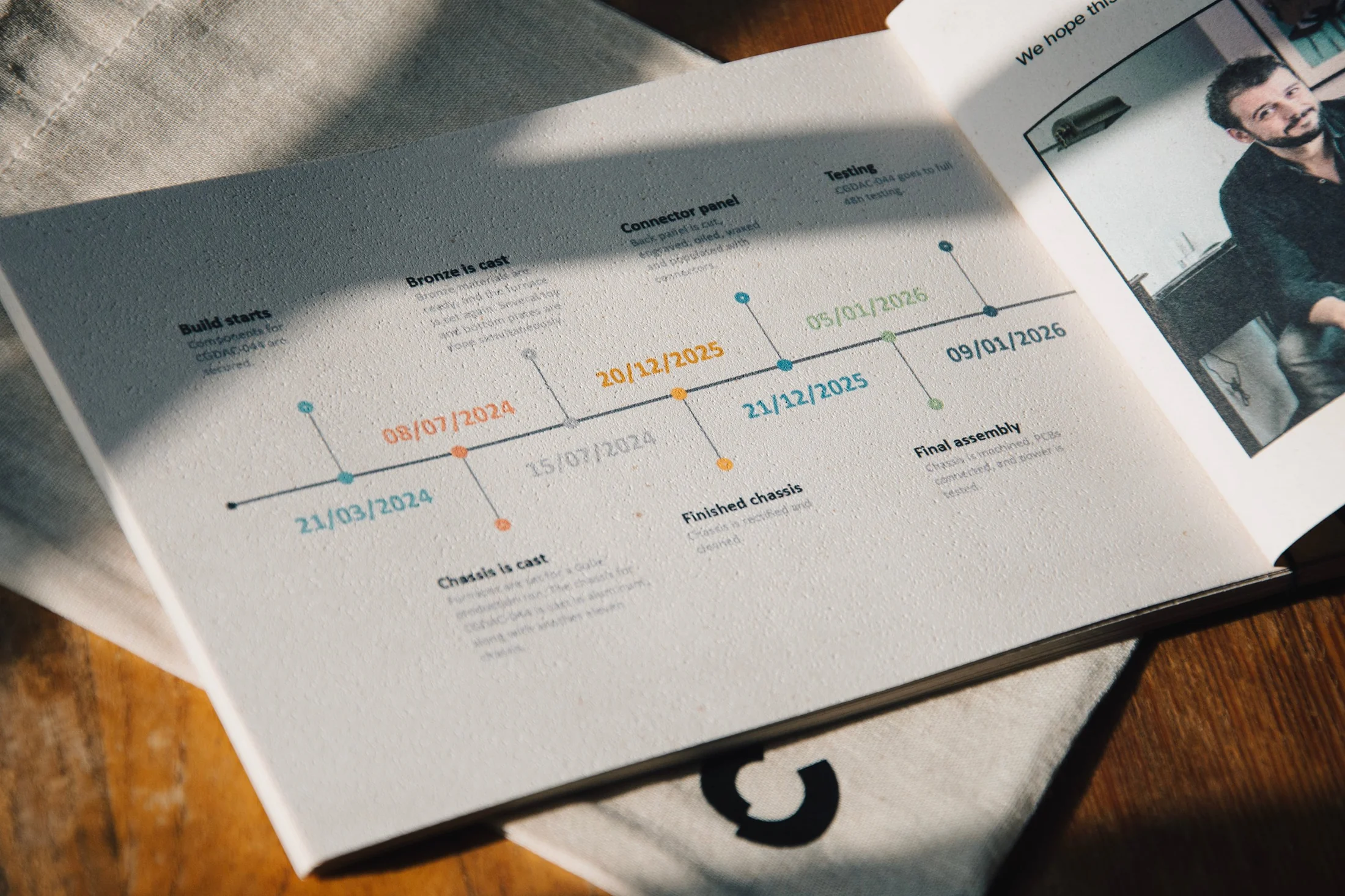
Every component has its own history. Its metal was poured on a particular day, its surfaces shaped and finished by particular hands, its construction completed through a sequence of individual steps. No two pieces have followed exactly the same path.
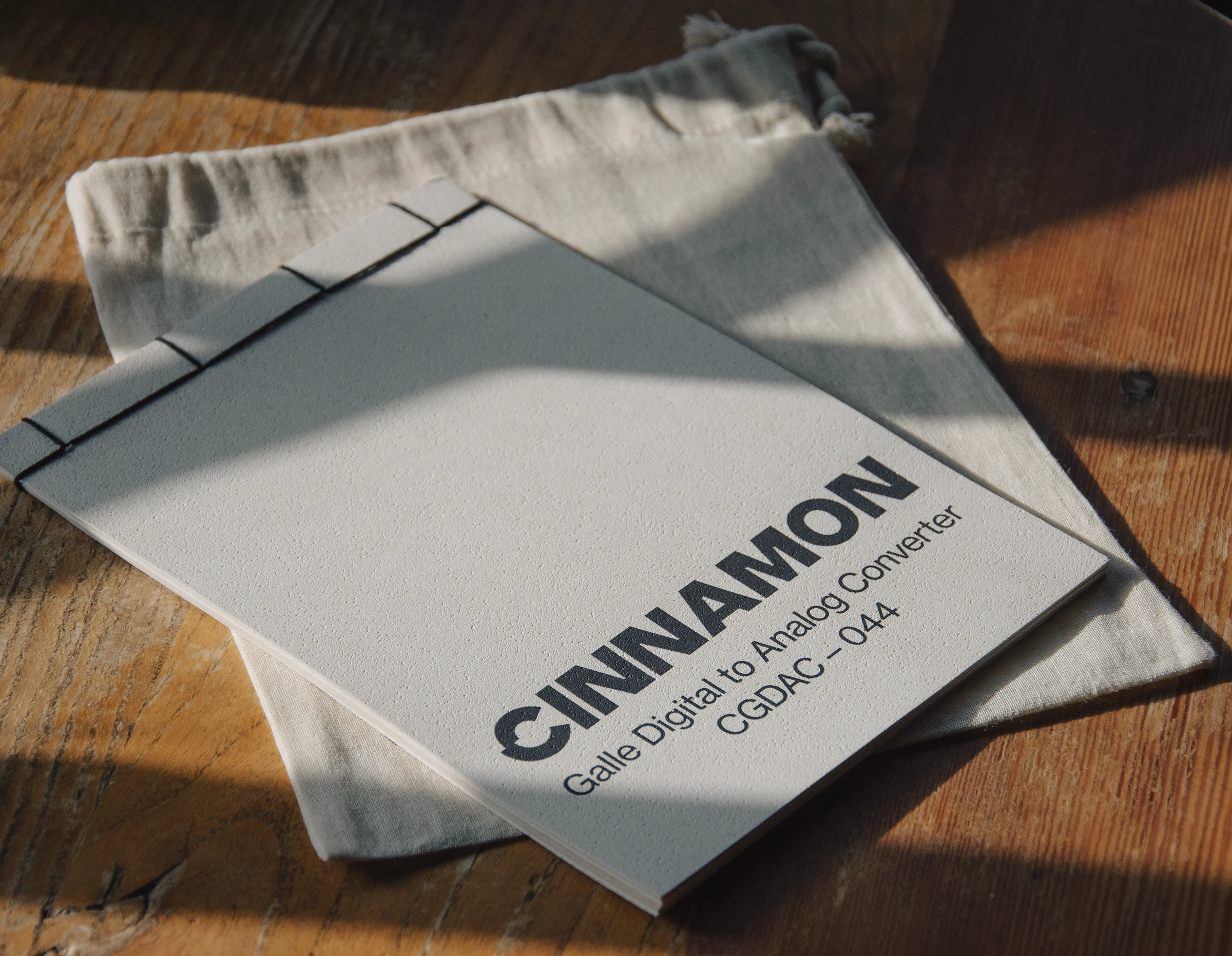
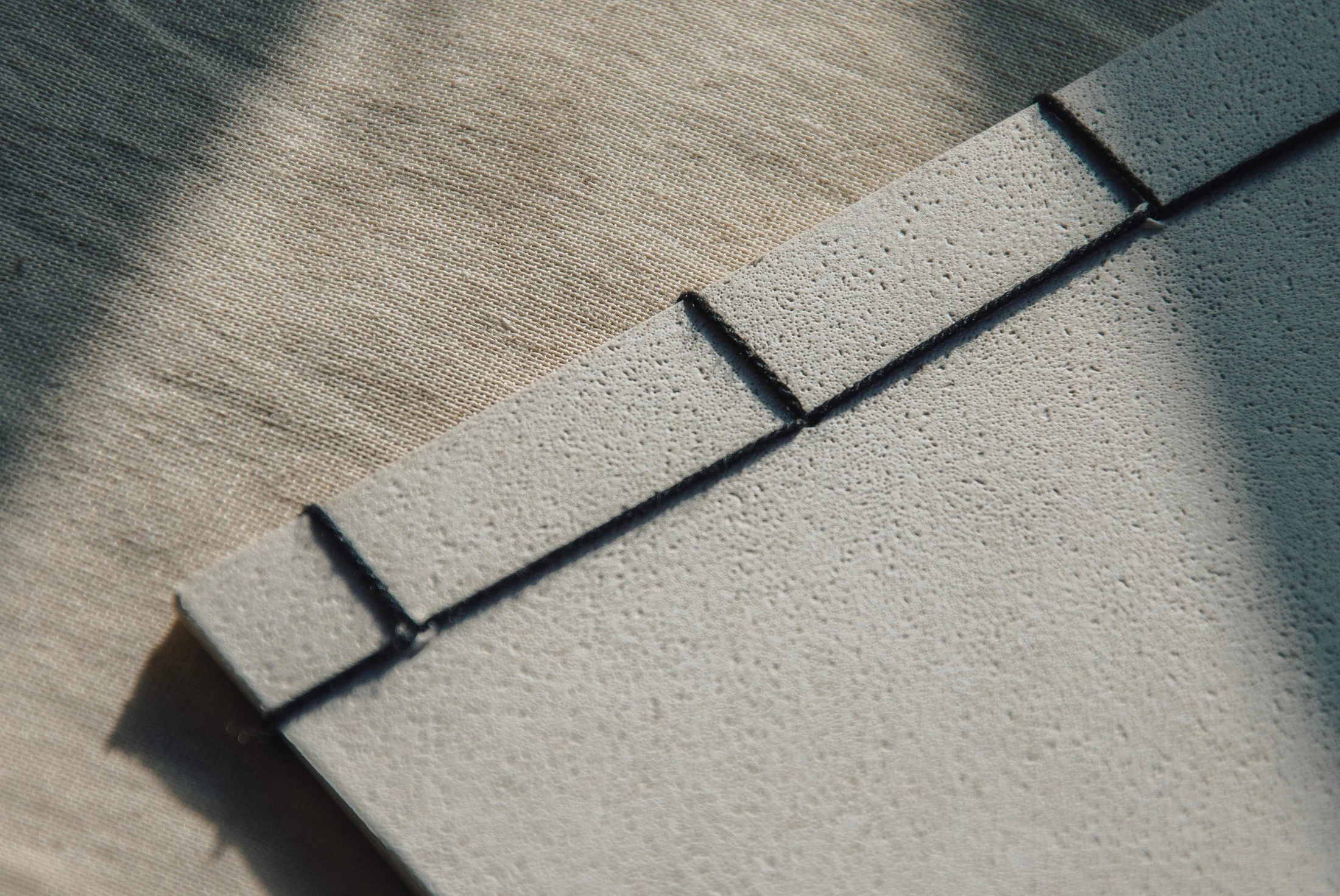
Cinnamon documents this journey in a personal build booklet accompanying each component, tracing its individual history from the foundry through to final assembly and testing.
It changes the relationship between owner and object. You are not simply acquiring an example of a particular model, but a piece with its own history — one that began long before it reached you, and continues for years, perhaps generations, to come.


Not simply a product.
A piece with a past, and a futureDiogo Canelas · Co-founder, Cinnamon
This is the deeper meaning of Made to Matter. Cinnamon creates components with the intention that they will endure, both in their physical construction and in the pleasure they bring. Objects worth caring for, living with, and eventually passing on.
A Cinnamon component is made at a moment in time, but it is not made only for that moment.
The first time I heard a Galle, I stopped listening to the equipment altogether. That is the rarest thing a component can do, and Cinnamon does it with a quiet confidence I had not heard before.
Guillaume Boyer · Founder, Boyer Audio
Hear what makes it Cinnamon
For Boyer, Cinnamon represents something particularly special: a meeting of scientific curiosity, independent thinking, remarkable craftsmanship and a profound respect for music.
There is an appealing honesty to the way the brothers approach their work. Nothing feels entirely conventional, yet everything has a reason for being. From the foundry to the listening room, every decision is part of a larger pursuit of musical authenticity.
The objects themselves are extraordinary. But it is the thinking, the people and the feeling behind them that make Cinnamon worth discovering.